
Heat networks are the proven path to decarbonising our towns and cities at scale.
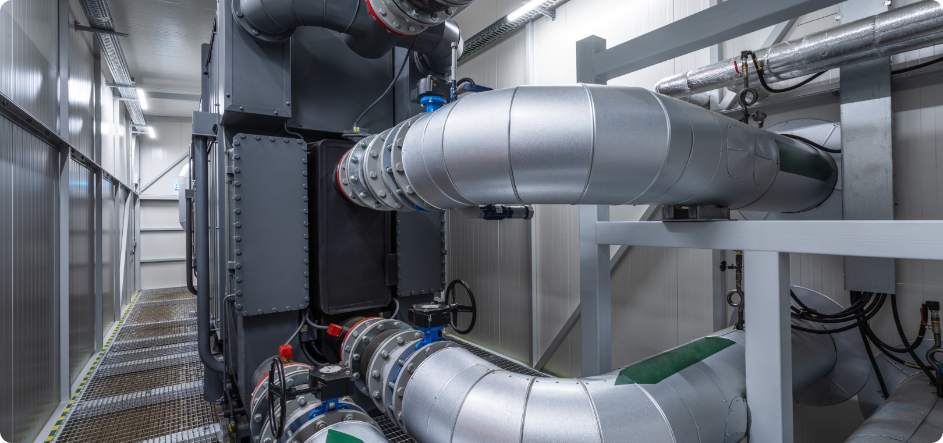
Effectively central heating for your local area, town or city, heat networks are infrastructure that carries low carbon heat from our renewables, rivers, data centres and so much else to our buildings. Heat networks will provide economic growth, bill savings as we decarbonise and local jobs and skills.
The Government is bringing forward a framework that will regulate the sector for the first time, spatial planning to support large-scale heat network development and an effective ban on the use of natural gas in new build homes.
But, heat decarbonisation remains difficult with the cost of low carbon heat (often using electricity) still higher than gas and progress on heat decarbonisation needs to happen now if we are to meet our legally binding carbon targets.
ADE: Heat Networks exists to make sure low carbon heat networks play their rightful role in the energy transition and the UK seizes the opportunity to grow this market from 3% and a £5 billion opportunity today to more than 20% and a £100 billion opportunity by 2050.
Our work on heat networks includes city-wide district heating as well as smaller scale heat networks using ground source heat pumps and shared ground loops. All of these technologies have a role to play in decarbonising heat in the UK whether that's across our densely populated cities or in more localised areas.


